
Japan happens to be one of the most seismically active nations around the globe, and this is by design. This country exists in a very dynamic tectonic setting with several large crustal plates colliding, slipping under one another, and rubbing against each other.
As a consequence, Japan has been exposed to earthquakes regularly for thousands of years, which in turn spurred its progress in preparation and resilience strategies in this area.Located within the zone of the Pacific Ring of Fire, Japan is located right in the intersection between four tectonic plates: the Pacific Plate, Philippine Sea Plate, Eurasian Plate (sometimes referred to as the Amur Plate), and North American Plate (Okhotsk Plate in particular).
While all of these plates shift only slightly (up to several centimeters) per year, this process leads to building up considerable pressure underground.Once the pressure becomes too much, the earth starts to shake with the intensity ranging from weak vibrations not even noticed by locals to strong quakes that could provoke tsunamis, mudflows, and severe infrastructure damage.
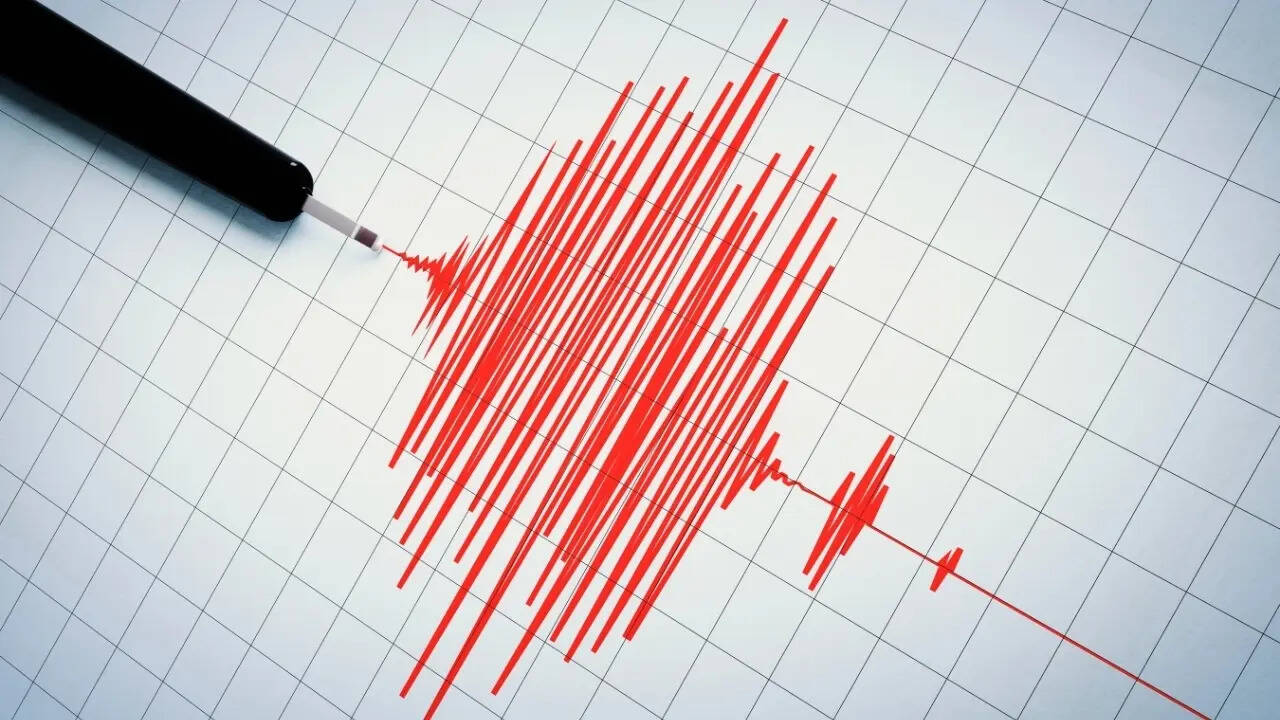
Seismic activity
Why Japan sees so many quakes
Thousands of quakes occur each year in Japan, but most are minor and not destructive enough to cause any harm.
Some reports state that Japan has a considerable number of major earthquakes compared to its size relative to other parts of the world.Subduction is one reason, which involves the collision between two plates where one plate is thrust under the other and sinks into the mantle. In the case of Japan, the Pacific Plate is being subducted under the plate under northern Japan. Similarly, further south, the Philippine Sea Plate is subducted under southwestern Japan.
Both subduction zones have the capacity to produce some of the most powerful earthquakes in the world.That explains why Japan has had a few megaquakes in the past, such as the 2011 Great East Japan Earthquake with a magnitude of 9.0, which triggered a tsunami and the Fukushima nuclear accident. Earlier catastrophic events include the 1923 Great Kanto Earthquake, which devastated Tokyo and Yokohama.
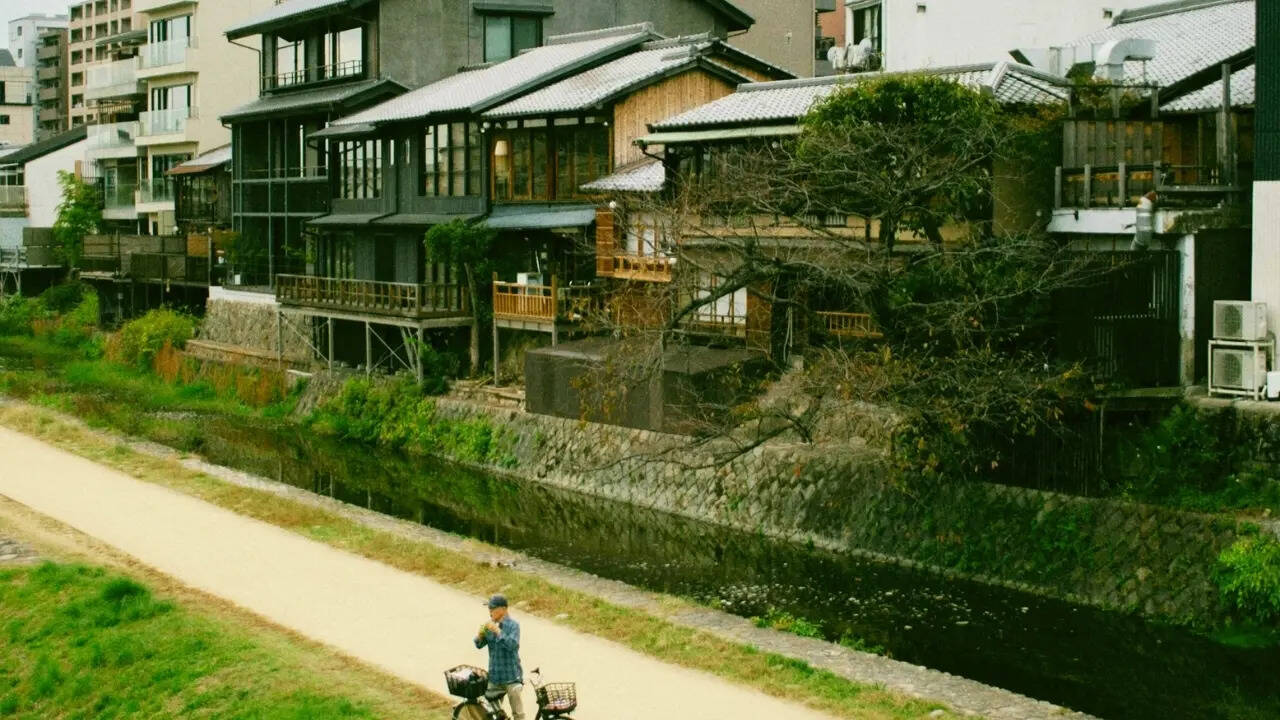
Traditional homes in Japan
Living with constant risk
Although Japan can’t stop earthquakes from happening, the nation has dedicated decades to minimizing their effects.
This effort utilizes science, engineering, educational campaigns, and swift response systems.The most obvious case in point is Japan’s famous earthquake-resistant buildings. Over time, building codes have grown increasingly stringent, particularly in the wake of devastating events. Contemporary skyscrapers and residences are constructed to be able to sway with rather than collapse due to earthquakes through shock absorbers, flexible bases, and robust materials.
The seconds that could make all the difference
Japan also boasts one of the world’s most sophisticated earthquake warning systems. An extensive network of sensors throughout the nation detects the first quick seismic waves to strike ahead of destructive tremors. In certain scenarios, individuals receive several to many seconds of warning.This might sound brief, but it is enough time for people to find shelter, operations in hospitals to come to a halt, and transportation to respond accordingly.The Japanese high-speed train, Shinkansen, automatically slows down and even stops when detecting powerful earthquakes. Lifts may stop at the closest level, factories might temporarily shut off, and gas pipes might turn off their valves automatically in order to minimize fire hazards.Preparation for earthquake in Japan goes well beyond technology. Awareness of such natural hazards among the public is highly rooted into the everyday life of Japanese people.
School and work-related drills are common in case of an emergency. Households stock up their disaster preparedness kits that include water, food, lighters, batteries, medicine and other essentials.Each year in Japan, September 1st is Disaster Prevention Day. People practice how to respond during an earthquake and conduct all the safety procedures necessary in order to survive the event.Children get prepared for natural disasters at a young age.
They know how to protect their heads, avoid being hit by any falling objects and follow evacuation instructions, if applicable.
All quakes do not lead to destruction
As earthquakes happen so often, not all of them in Japan are serious and disruptive. People in Japan have learned to expect some shaking. Instant updates can be made available through mobile notifications and TV news regarding the strength of an earthquake, its epicenter, and whether there is a risk of a tsunami wave.However, scientists continue to monitor the possibility of future major earthquakes, particularly along the Nankai Trough, a subduction zone south of Japan that has produced destructive quakes in the past.The story of Japan is not just surviving with fear. Its geographical location means that earthquakes will keep happening for sure. However, through proper planning and preparation, Japan proves that science and readiness can turn one of nature’s most volatile places into an inhabitable environment.