World
A Cancer Vaccine Made Just For You? Personalised mRNA Jab Cuts Melanoma Recurrence Risk By 49% In Major Trial
By: News18 World
Published: 24 October 2026
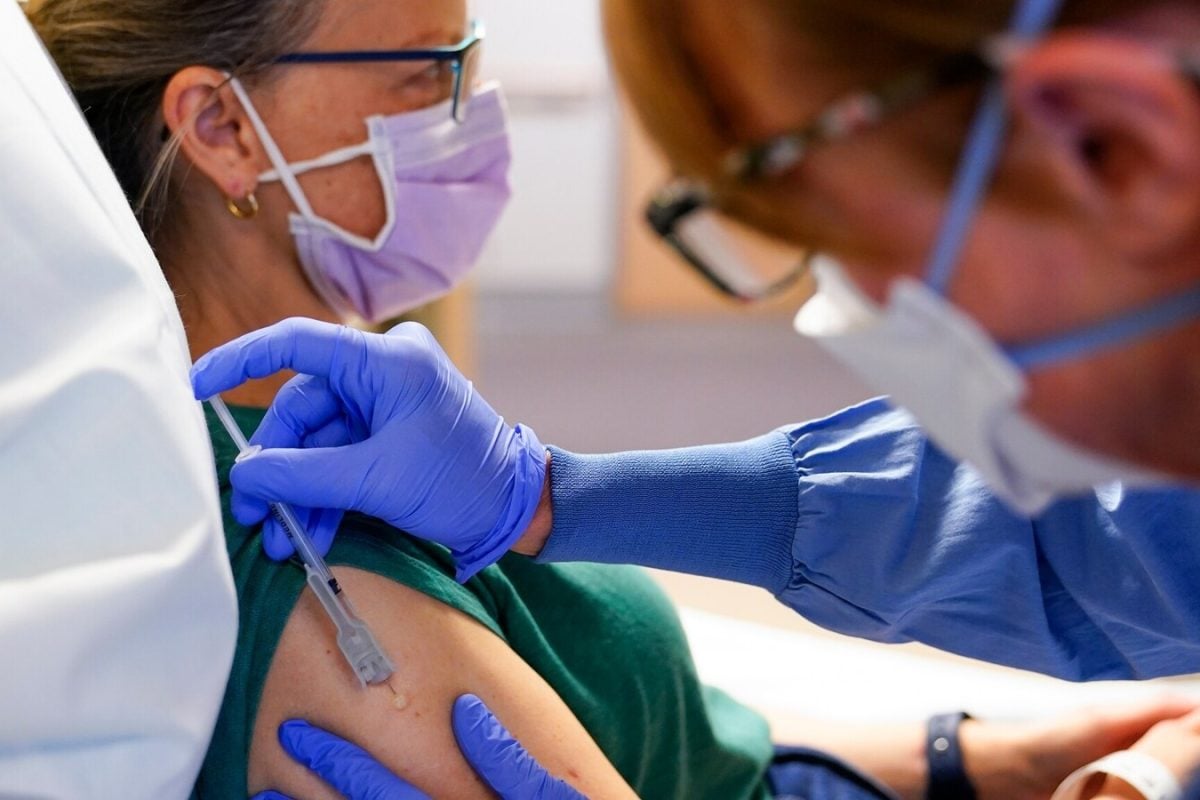
Photo / Illustration: Haldwani Times News Desk
<p>In a major medical breakthrough, the world’s first personalised mRNA cancer vaccine has dramatically reduced the risk of skin cancer returning in patients following surgical removal. Phase 3 clinical trial results demonstrate that combining the custom-built vaccine, mRNA-4157 (V940), with standard immunotherapy significantly improves recurrence-free survival in individuals diagnosed with high-risk stage III or IV melanoma.</p>
<p>The trial data reveals a remarkable 49 per cent reduction in the risk of recurrence or death over a three-year period compared to treatment with immunotherapy alone, marking a pivotal moment in precision oncology.</p>
<p>Unlike conventional preventive vaccines designed to fend off infectious diseases, this custom therapeutic vaccine is crafted specifically for each patient’s unique genetic profile. Scientists analyse a surgically removed tumour to identify up to 34 distinct neoantigens—mutated proteins present exclusively on the patient’s cancer cells.</p>
<p>Using advanced mRNA technology, the vaccine trains the patient’s immune system to recognise these specific genetic markers and systematically track down any remaining microscopic cancer cells. This tailored mechanism prevents the disease from resurfacing while leaving healthy tissue unharmed.</p>
<p>Following the successful trial outcome in advanced melanoma, global health authorities have granted prime regulatory designations to accelerate approval pathways. Medical researchers are now expanding international clinical trials to test the mRNA vaccine’s efficacy against other aggressive malignancies, including non-small cell lung cancer, pancreatic cancer, and head and neck squamous cell carcinomas.</p>
<p>Phase 3 clinical trial results demonstrate that the personalised mRNA cancer vaccine mRNA-4157 combined with standard immunotherapy significantly improves recurrence-free survival for high-risk melanoma patients.</p>
<p>The trial data reveals a 49 per cent reduction in the risk of recurrence or death over a three-year period compared to treatment with immunotherapy alone.</p>
<p>The custom therapeutic vaccine is crafted specifically for each patient by analysing surgically removed tumors to identify up to 34 distinct neoantigens.</p>
<p>Medical researchers are expanding international clinical trials to test the mRNA vaccine against other aggressive malignancies including non-small cell lung cancer and pancreatic cancer.</p>
<p>Oncologists emphasise that personalised mRNA technology represents a paradigm shift from broad-spectrum chemotherapy to targeted immunotherapy, offering high-risk patients a far more durable shield against relapse.</p>
<p>The ongoing Phase 3 trial involves hundreds of participants across global cancer centres, with long-term follow-up studies tracking overall survival rates and immune memory response over several years. Healthcare providers anticipate that if phase regulatory approvals are finalised, personalised therapeutic vaccines could become a standard post-surgical treatment protocol within the decade.</p>
<p>By combining cutting-edge genetic sequencing with scalable mRNA manufacturing, oncology teams are moving closer to turning aggressive, high-relapse cancers into manageable, treatable conditions.</p>
<p>The custom vaccine is tailored to an individual patient's genetic profile by analysing a surgically removed tumour to identify up to 34 distinct neoantigens. Using advanced mRNA technology, it trains the immune system to recognize these mutated proteins, allowing it to track down and eliminate remaining microscopic cancer cells without harming healthy tissue.</p>
<p>Following successful trials in advanced melanoma, medical researchers are expanding international clinical trials to test the efficacy of the personalized mRNA vaccine against other aggressive malignancies. These include non-small cell lung cancer, pancreatic cancer, and head and neck squamous cell carcinomas.</p>