World
'Belt-Zempic' Boom In US: How Weight-Loss Drugs Are Beefing Up Business For Tailors, Cobblers
By: News18 World
Published: 24 October 2026
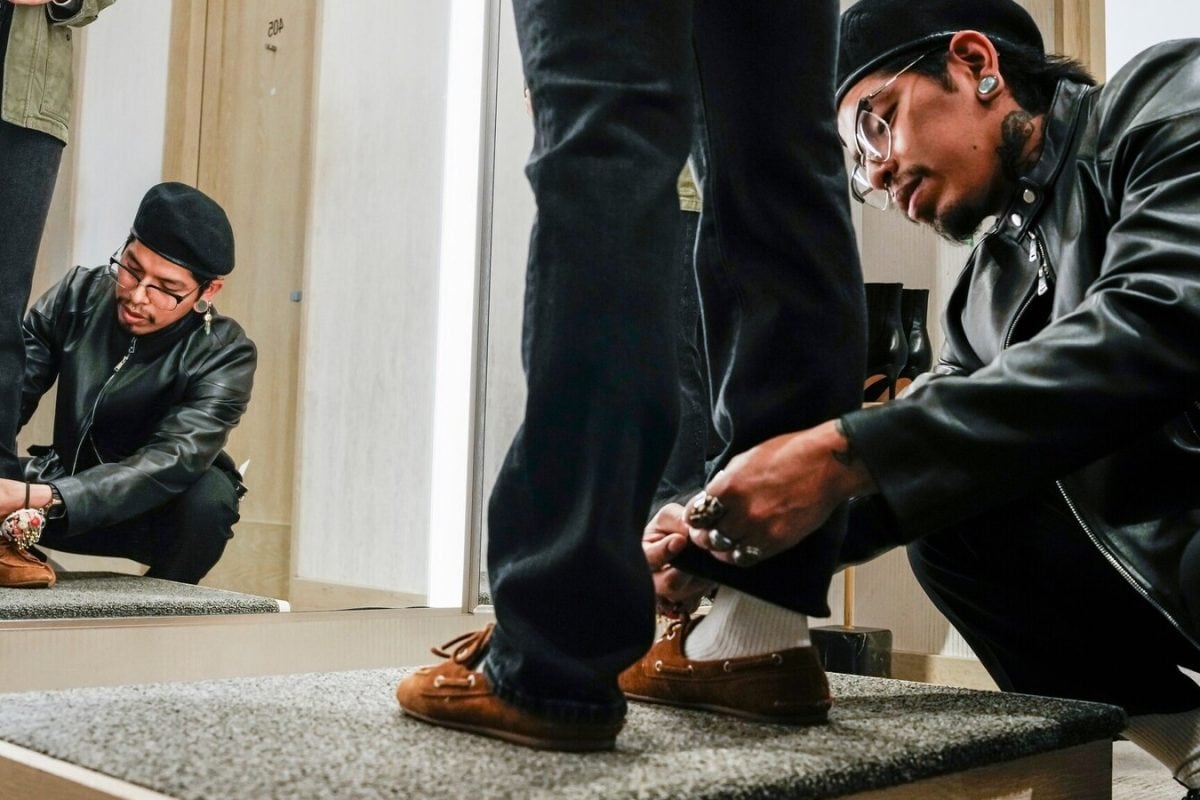
Photo / Illustration: Haldwani Times News Desk
<p>The widespread adoption of GLP-1 weight-loss medications like Ozempic and Mounjaro is creating an unexpected economic windfall for American tailors and cobblers. As thousands of consumers experience rapid body transformations, many are opting to alter their existing wardrobes rather than purchase entire new collections.</p>
<p>This shift is providing a substantial boost to local alteration businesses and cobbler shops across the United States, reports Reuters, as patients look to adapt high-quality garments to their shrinking frames.</p>
<p>Denim and leather accessories have emerged as the primary categories feeling the impact of this physical transition. Specialty shoe repair shops report taking in dozens of leather belts every week to be shortened or re-punched, leading tradespeople to dub the trend “Belt-Zempic".</p>
<p>Because users often experience weight loss across unexpected areas—including shrinking feet—cobblers are seeing heightened demand for footwear adjustments. Furthermore, with academic studies indicating that individuals often regain weight after discontinuing GLP-1 treatments, many patients are reluctant to invest in brand-new wardrobes while their sizing remains in flux.</p>
<p>Rising out-of-pocket medication expenses are also driving consumer interest in repair services. As more corporate employers scale back or eliminate insurance coverage for weight-loss drugs, patients are forced to absorb higher monthly costs for their prescriptions.</p>
<p>The adoption of GLP-1 weight-loss medications is driving increased demand for alteration and repair services among American consumers.</p>
<p>Cobbler shops report taking in dozens of leather belts weekly to be shortened or re-punched due to consumer sizing flux.</p>
<p>Secondhand clothing platforms and digital subscription services are experiencing a surge in clients seeking transitional sizing solutions.</p>
<p>To offset these new healthcare expenditures, consumers are turning to local tailors to resize premium trousers, suits, and jackets. Rather than spending thousands of dollars on off-the-rack replacements, taking in waistlines offers a cost-effective alternative during economic uncertainty.</p>
<p>Beyond traditional neighbourhood tailors, the broader apparel ecosystem is pivoting to accommodate GLP-1 users. Secondhand clothing platforms and digital subscription services report a marked surge in clients seeking transitional sizing solutions.</p>
<p>Online resale outlets have noted significant increases in transactions involving smaller jean sizes, while subscription services are integrating stretch-fabric options and flexible exchange policies. By catering to consumers undergoing rapid physical transformations, both digital platforms and local repair trades are carving out a profitable niche in the evolving wellness economy.</p>
<p>The widespread use of GLP-1 medications like Ozempic and Mounjaro is causing rapid physical transformations, leading consumers to alter their existing wardrobes rather than buy new ones, which provides an economic boost to local tailors and cobblers.</p>
<p>Patients are reluctant to buy brand-new wardrobes because sizing remains in flux due to ongoing physical changes, and academic studies indicate that many individuals tend to regain weight after discontinuing GLP-1 treatments.</p>