World
CIA agents' deaths in northern Mexico spark rare treason prosecution against ex-official
By: Hindustan Times World
Published: 24 October 2026
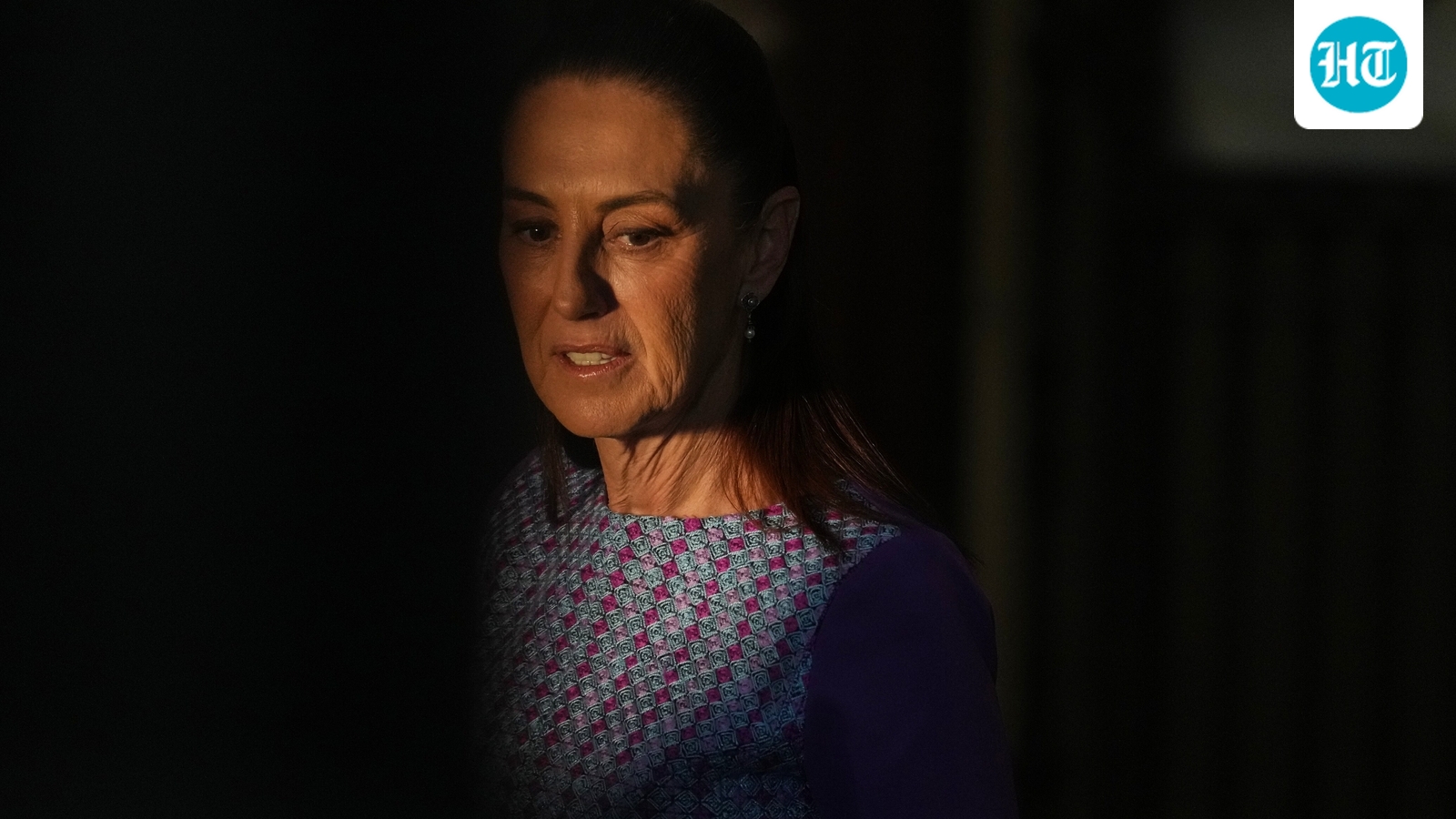
Photo / Illustration: Haldwani Times News Desk
<p>The deaths of two CIA agents in a vehicle crash after a drug-lab operation in northern Mexico in April have led to treason charges against former Chihuahua state attorney general César Jáuregui, triggering a legal dispute over unauthorized US involvement in Mexican security operations. The case has raised questions about who authorized the Americans' participation and whether the alleged actions amount to treason.</p>
<p>President Claudia Sheinbaum insisted that foreign agents cannot conduct operations on Mexican soil without the country's authorization. (AP Photo)Jáuregui is accused of authorizing US agents to participate in an operation targeting a suspected synthetic drug laboratory without approval from Mexico's federal government. He is being held in pretrial detention, facing a federal treason case and separate state charges of illegal exercise of public office.</p>
<p>The case has drawn national attention because treason is rarely prosecuted successfully in Mexico and President Claudia Sheinbaum has insisted that foreign agents cannot conduct operations on Mexican soil without the country's authorization.</p>
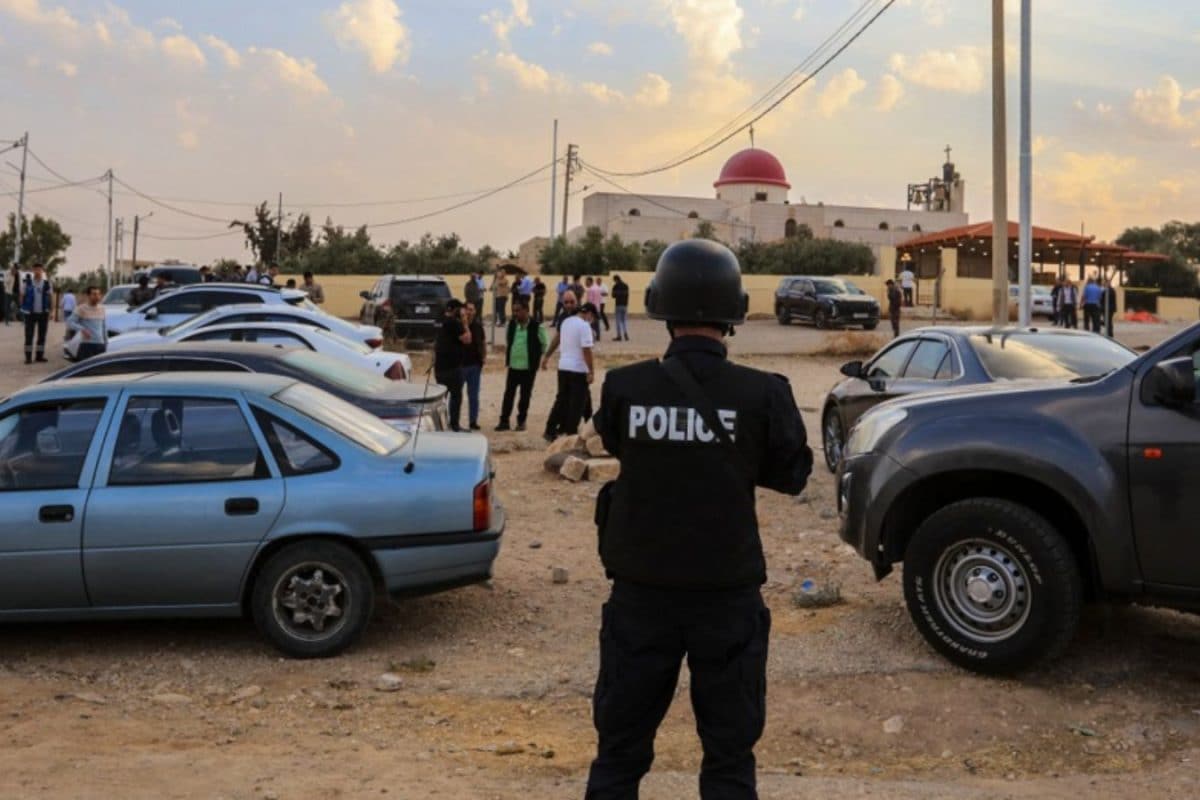
<p>On April 19, the Chihuahua Attorney General's Office announced that authorities had dismantled a synthetic drug laboratory in the municipality of Morelos, in the state's mountainous region. As a convoy returned from the operation, a vehicle veered off the road and plunged into a ravine, killing two Mexican state agents and two Americans. The operation ended without arrests after the suspected criminals fled.</p>
<p>The Americans' identities initially received limited public explanation. US Ambassador Ronald Johnson described them as embassy personnel, but the AP later confirmed they were CIA agents. Two other US agents travelling in a separate vehicle were subsequently expelled from Mexico.</p>
<p>Sheinbaum said her administration had neither authorized the Americans' participation nor been informed of their presence. She also said the military was unaware of the foreign agents' involvement.</p>
<p>Federal prosecutors allege that Jáuregui endangered national security by authorizing foreign personnel to participate in an operation reserved for Mexican authorities. The charge carries a possible prison sentence of five to 40 years, although experts say proving treason can be difficult.</p>
<p>Legal experts have questioned whether the alleged conduct meets the threshold for treason. Samuel González, a former organized crime prosecutor, said that failing to inform federal authorities or allowing foreign agents to carry weapons could breach legal obligations, but argued that such conduct would not necessarily amount to treason.</p>
<p>Jáuregui's defense has also rejected comparisons between the agents' presence and a foreign invasion. His lawyer, Héctor Villasana, said prosecutors argued that punishing his client would discourage similar unilateral US actions in Mexico.</p>
<p>The prosecution comes amid repeated criticism from US President Donald Trump that Mexico is not doing enough to combat drug cartels. It has also intensified debate over Mexico's sovereignty and the limits of cooperation with US intelligence agencies.</p>
<p>Former president Andrés Manuel López Obrador restricted the activities of foreign agencies, while Sheinbaum has backed legal changes requiring explicit Mexican government authorization and cooperation for foreign agents to conduct field operations</p>
<p>Carlos Pérez Ricart, a professor at Mexico's CIDE university, told the Associated Press that cooperation between US agents and local officials has sometimes occurred without federal authorities' knowledge. Such arrangements can facilitate anti-drug efforts, he said, but unclear rules can also lead to abuses.</p>
<p>The case now centers on whether Jáuregui's alleged actions amount to treason or violations of rules governing foreign participation in Mexican operations. Its outcome could shape how state authorities work with US security agencies in the future.</p>
<p>Asmi is a Senior Content Producer primarily covering stories related to NRIs, immigration, visas, citizenship and global mobility. She closely follows developments that affect Indians living, working and studying abroad, with a particular focus on translating complex policies and international developments into clear, accessible stories for readers. As part of the US Desk, Asmi also reports on a wide range of political, economic and social developments in the United States, exploring their relevance to Indian and global audiences. Her work spans breaking news, features, trends and explanatory stories, with an emphasis on accuracy, timely reporting and audience-focused storytelling. Asmi likes finding the human angle behind major developments and bringing context to stories that can often feel complicated or distant. She is especially interested in stories around immigration, life abroad, careers, education and the experiences of the Indian diaspora, while also exploring a wide range of topics that spark curiosity and conversation. Outside the newsroom, Asmi is an avid reader and loves travelling, discovering new places, experiencing different cultures and collecting stories along the way.Read More</p>