
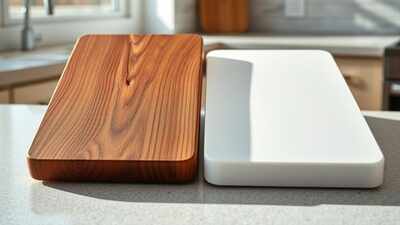
Your kitchen chopping block, a vital tool, harbours bacteria in tiny scratches, posing a cross-contamination risk. While wood has natural inhibitors, both plastic and wood boards require diligent cleaning and sanitisation.
Kitchen chopping blocks form the backbone of food preparation in all home kitchens. All of the cutting and slicing activities create small scratches in the surface of the chopping block.
Although seemingly insignificant, these scratch marks become perfect breeding grounds for bacteria such as E.coli, Salmonella, and Listeria.Even after washing, these unseen crevices on cutting boards serve as great havens for bacteria, increasing the risk of cross-contamination during the cutting of raw meat and vegetables. Today, many experienced homemakers and do-it-yourself gardeners have their own individual cutting boards depending on the foods they cut.Why do cutting board grooves encourage the growth of bacteria?Each time a knife makes contact with a cutting board, tiny cuts are made in it. These grooves turn into ideal locations where bacteria can be found because they stick around inside the cuts along with the leftover particles of food and juices. As per a scientific experiment carried out in the Journal of Food Protection under the title Cutting Boards of Plastic and Wood Contaminated Experimentally with Bacteria, plastic as well as wood cutting boards retain bacteria even after their initial contamination.
This is supported by an article that appeared in the Journal of Food Protection, titled Hygienic Evaluation of Wooden Cutting Boards: Microbiological Parameters. The results indicate that bacteria may remain in cutting surfaces and thrive in places where water pools. In short, appearance does not equate safety when it comes to food preparation.
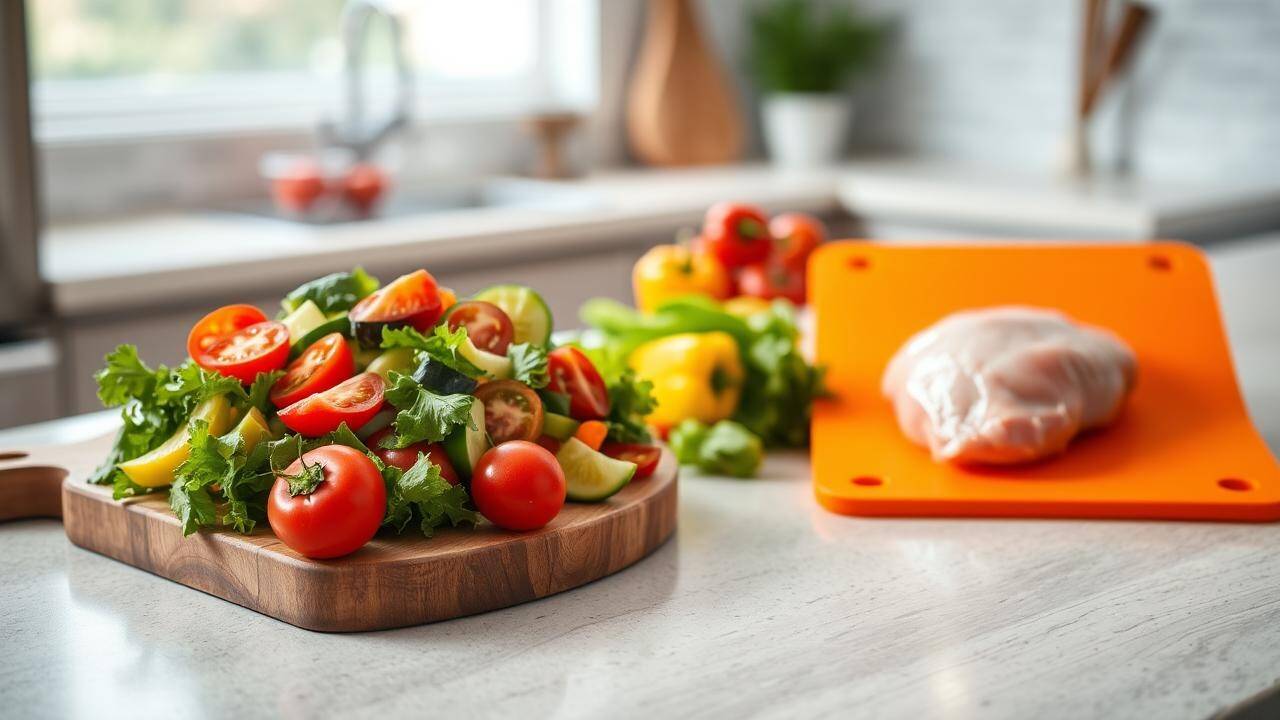
Experts advise using separate boards for raw meat and vegetables to prevent harmful bacteria from entering your meals. Replace worn-out boards promptly for safer food preparation.
The age-old issue of plastic vs woodPlastic boards are chosen due to their nonporous and slippery nature; they seem more hygienic to the naked eye.
But plastic boards are easily damaged by knives and tend to form scars in which bacteria can hide, rendering them ineffective over time.There are specific chemicals in wood that inhibit the growth of microorganisms, such as tannins. According to a scientific study titled Wood Cutting Board Finishes and Their Effect on Bacterial Growth published by Coatings, there is something about the wood texture that attracts moisture and microorganisms. Nevertheless, with proper care of the wood, you can minimise the amount of bacteria growing on the surface of your wood.
Proper maintenance of the board involves regular oiling and sanitising; otherwise, wood may be a perfect place for the proliferation of microorganisms, similar to the cracked plastic boards.Preventing cross-contaminationWhen you use one cutting board for meat and vegetables, it increases the likelihood that bacteria will get from one food source to another. This happens through using the same knives to cut different foods, or touching meat with hands and then vegetables.
Since washing cannot clean up the bacteria hidden in the cracks of your board, it is recommended to use different boards for each type of food.Good maintenance includes cleaning the cutting boards using hot soapy water followed by sanitisation, and ensuring that the boards are dry before any other use. In case there is excessive scarring or cracks present on the board, it is recommended that the boards be replaced. This reduces the possibility of harmful bacteria making their way into the meals.When to replace your cutting boardAs we all know, cutting boards will always have an endpoint at which they deteriorate, and deep scratches will form that make it difficult to clean. When plastic boards show any signs of visible wear and tear, then they need to be discarded. However, wood cutting boards must be examined thoroughly to ensure no splits or warps.The selection of the right materials, ensuring boards are kept separate based on the types of foods prepared, maintaining cleanliness, replacing boards when necessary, and understanding how knives can harbour bacteria contribute to minimising such contamination. This knowledge helps people understand how to cook better and be more confident while doing so.