
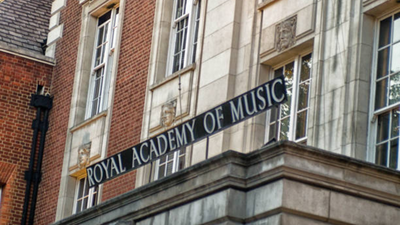
UK Royal Academy scheme excludes private school students, offering funded training to five state-educated musicians/Image: Getty Images
The UK-based Royal Academy of Music has sparked debate after launching a scheme that limits access to state-educated students, raising concerns that some less affluent private school pupils are being left out, according to The Times (UK).The academy, established in 1822, is offering a fully funded foundation year for musicians aged 18 to 20. The course is aimed at those seen as under-represented, particularly students who may have missed out on music training due to a long-term decline in provision in state schools.Only five students will be selected each year, with the programme starting in July. Those chosen will receive individual tuition, academic guidance, ensemble training and support with university applications.The eligibility rule has been questioned by school leaders, who say background cannot be judged purely by the type of school a student attends. Philip Britton said, “There are plenty of less well-off people in independent schools and plenty of privileged people in state schools.” He pointed out that some schools, including Bolton School, offer full fee support for families earning below £20,000.Richard Jones, head of Bryanston School in Dorset, described the approach as “naïve” and said it risks reinforcing assumptions about private education.
He noted that many independent schools have students on bursaries and said applications should be judged individually.The academy has defended its position. Its principal, Jonathan Freeman-Attwood, said the focus is on students who “desperately need and deserve” support, particularly those who have not had enough access to training but show strong potential.Funding for the first three years comes from the Clore Duffield Foundation.
Its chair, Vivien Duffield, said the programme is meant to give talented young musicians the time, training and guidance needed to progress further.The academy said students from independent schools are more likely to have already had access to structured music education. It also highlighted its wider work, supporting more than 500 young people each year and providing £5.8 million in financial aid to students last year.


