
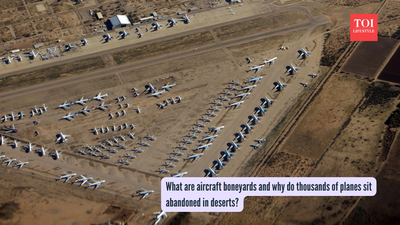
Vast desert sites store retired aircraft. These boneyards preserve planes for parts harvesting and recycling. Valuable components are removed for reuse on active fleets. Some aircraft are even reactivated after years of storage. This process saves airlines significant costs. Aluminum is melted for cans, and titanium for golf clubs.
Imagine soaring high above a sun-baked desert, glancing out the window, and spotting hundreds of massive airplanes lined up like forgotten toys in the sand. While this might seem frightening and spark endless questions like are they crashed? Abandoned forever? Or something way more practical?These spots, often called aircraft boneyards, are like the aviation world’s quiet backstage, where retired jets wait out their days under the relentless sun.
What are aircraft boneyards?
Aircraft boneyards, or graveyards, are massive storage sites for planes pulled from service. Unlike dumps, they’re hubs for preservation, part harvesting, and recycling, handling everything from passenger jets to fighters. And boneyards like the ones in Davis-Monthan in Arizona hold thousands, managed by the US Air Force.
Why deserts?
Deserts are ideal because their low humidity prevents rust, and the hard-packed soil, like Arizona’s caliche, supports heavy aircraft without sinking or requiring pavement.
As the BBC says aabout Davis-Monthan, “The climatic conditions in Arizona – dry heat, low humidity, little rain – mean aircraft take a lot longer to rust and degrade.” With so little rain, maintenance needs are minimal, allowing planes to remain stored for decades.
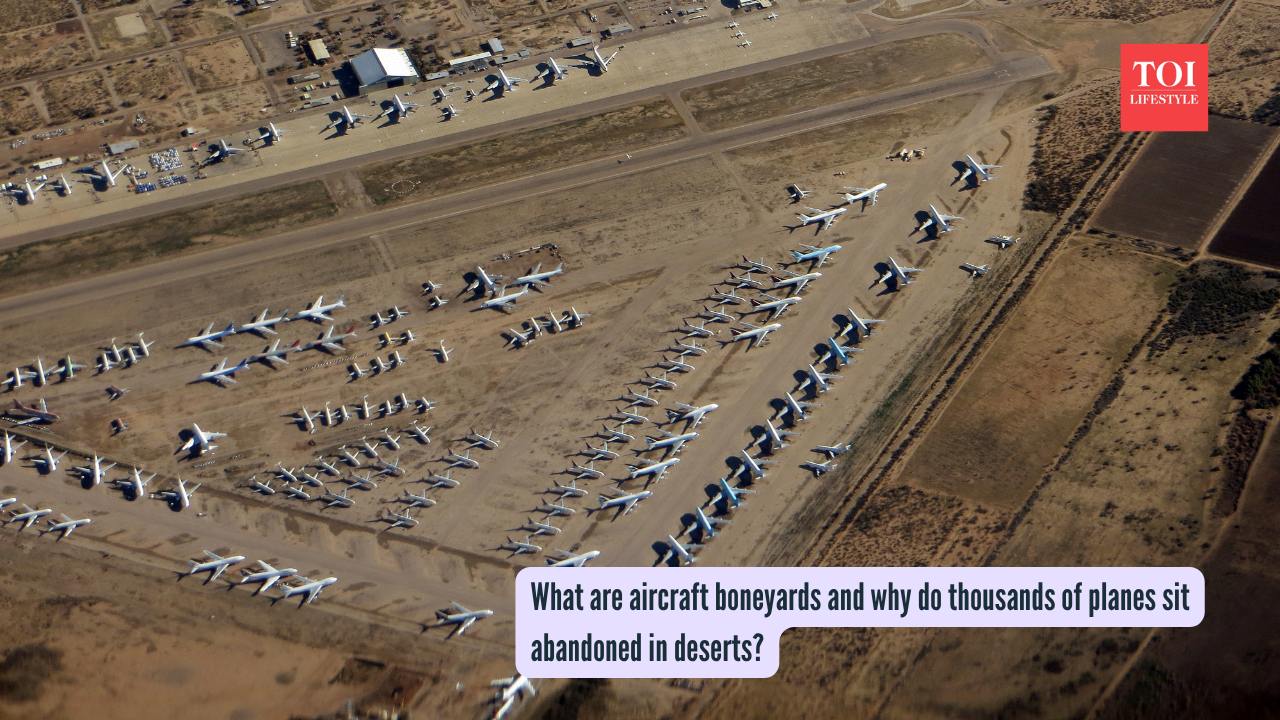
Aircraft boneyard- Photo via Canva
Arrival and storage process
When planes first arrive, crews prepare them carefully: they drain all fuel and fluids, then seal engines and openings with spray-on coatings to keep out sun and dust.
The aircraft are arranged in orderly rows and get routine checks, like rotating tires and testing systems, in case they’re needed back in service during high-demand times, such as pandemics. White reflective covers protect cockpits and propellers from harmful UV rays.
How are parts harvested and reused?
Valuable components such as engines, avionics, and landing gear are removed from these planes and used on active aircraft, saving airlines millions compared to buying new parts. “Parts of the aircraft are removed for reuse or resale,” and this process, known as “cannibalisation,” helps keep airline fleets operating cost-effectively.
Recycling or revival?
End-of-life planes get fully dismantled, aluminum melted for cans, titanium for golf clubs. Some planes return like B-52 bombers reactivated after years stored.