
3 min readNew DelhiApr 18, 2026 07:00 PM IST
Aged basmati rice has long been prized in Indian kitchens, not just for its aroma and fluffy texture, but also for its perceived health benefits. But is it actually healthier than freshly milled rice? Dt Ginni Kalra, Head Dietitian at Aakash Healthcare, breaks it down with clarity.
What makes aged basmati different?
The key difference lies in the ageing process. “As basmati rice ages, its moisture content reduces and the starch structure changes,” explains Dt Kalra. “This results in grains that are less sticky after cooking and more separate, which improves both texture and digestibility.”
This structural change is what sets aged basmati apart from freshly milled rice, which tends to be softer and more clumped together when cooked, she adds.
DISCLAIMER: This article is based on information from the public domain and/or the experts we spoke to. Always consult your health practitioner before starting any routine
Does ageing change its nutrition?
Despite common belief, ageing doesn’t significantly boost the nutritional value. “The ageing process does not alter the core nutrients in rice in any major way,” says Dt Kalra. “What it does change is how the body processes it—particularly due to reduced moisture and restructured starch.”
These changes can have subtle metabolic advantages, especially in how the body digests and absorbs carbohydrates, she explains.
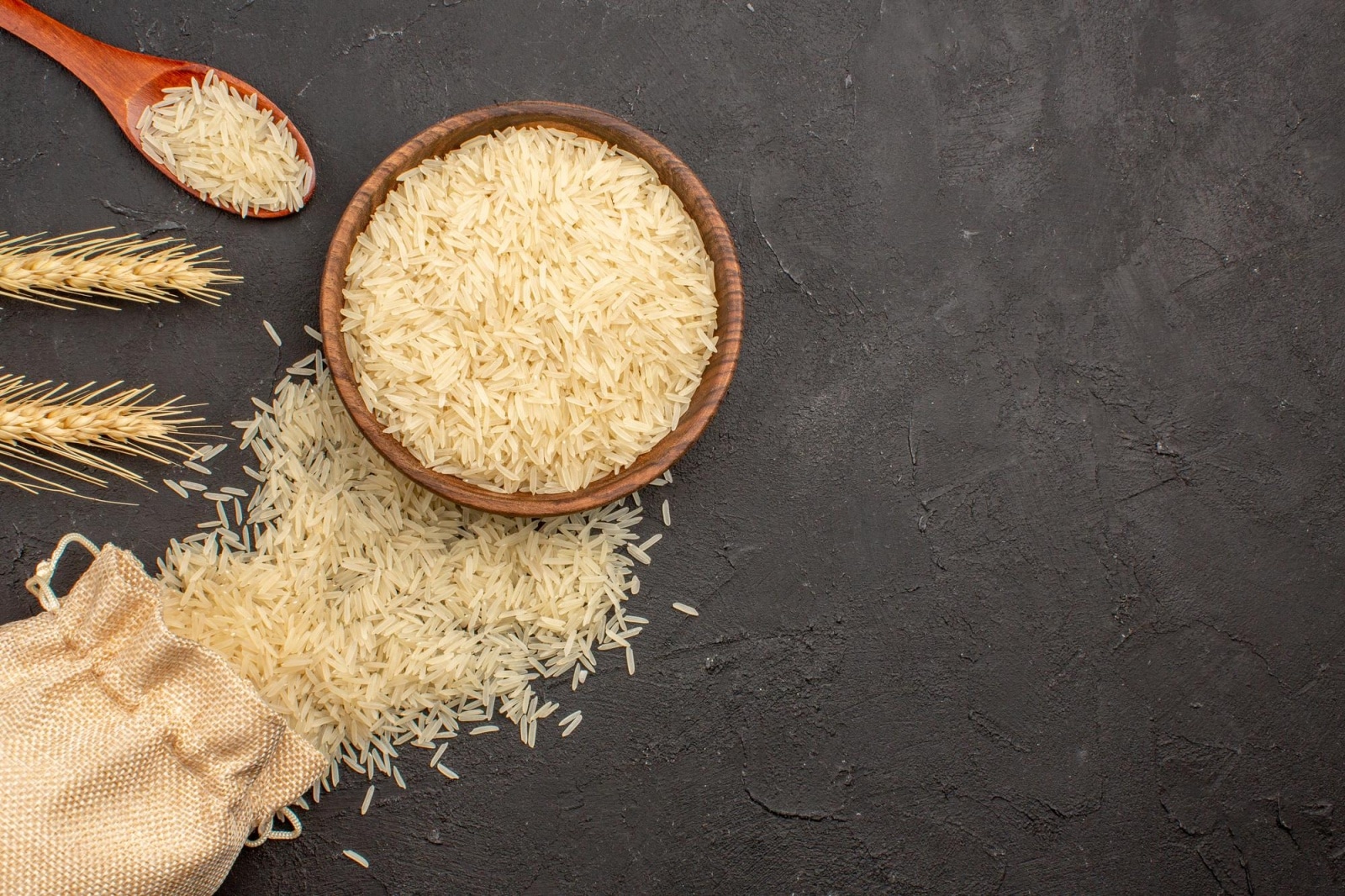 Basmati rice (Photo: AI)
Is it easier to digest?
For many people, yes, says Kalra. “Aged basmati rice is generally easier to digest compared to freshly milled rice,” notes Dt Kalra. “It tends to have a lower glycaemic index, which means it may cause a slower rise in blood sugar levels. This makes it a better option for individuals looking to manage blood sugar or those with sensitive digestion, though it’s not a free pass to eat it in unlimited quantities.”
Story continues below this ad
Are there any downsides?
Even with its benefits, aged basmati rice isn’t without caution. “It is still a refined carbohydrate,” Dt Kalra points out. “Portion control is essential, especially for people with diabetes, as excess intake can raise blood glucose levels.”
She also highlights a common dietary gap: “If your diet relies too heavily on polished rice without enough whole grains, vegetables, and fibre, it can impact overall nutritional balance.”
DISCLAIMER: This article is based on information from the public domain and/or the experts we spoke to. Always consult your health practitioner before starting any routine

