
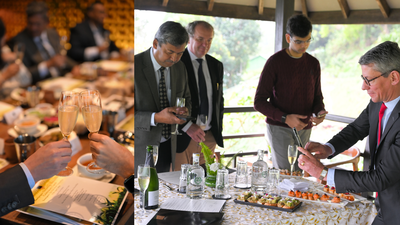
The mist-shrouded ridges of Kurseong recently played host to the highest level of decision-making in the global luxury industry. In their first-ever visit to India, co-Presidents, Maxime Toubart and David Chatillon, accompanied by Director General Charles Goemaere of the Comité Champagne (CIVC)—the unified voice of the Champagne industry since 1941—arrived at Taj Chia Kutir to initiate a landmark dialogue on heritage diplomacy.
![DSC_3609[1]](https://static.toiimg.com/photo/msid-130414754/dsc-36091.jpg)
A 167-Year-old legacy in focus Steered by Rajiv Singhal (widely recognised as the Ambassador of Champagne to India and Director of the India Champagne Bureau), the delegation met a collective representing the Darjeeling Tea Association (DTA), including veteran estate manager Vikash Gajmer of Makaibari Tea Estate and Arihant Lohia, Director of the Chamong Group. As the youngest of the leadership group and a seventh-generation grower with estates across Darjeeling and Assam, Lohia played a key role in this understanding and his presence bridged the gap between the industry’s 19th-century roots and its 21st-century global future.
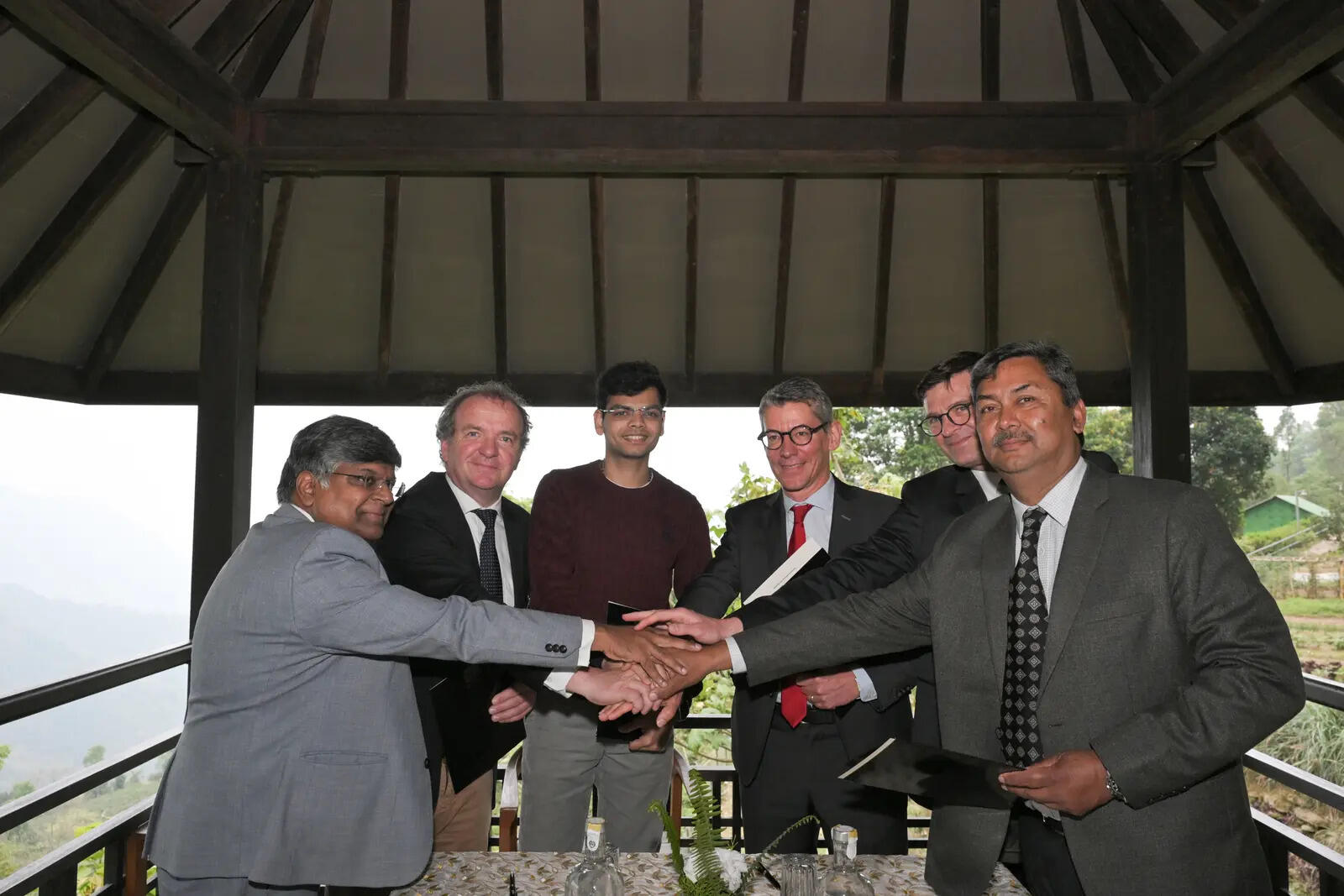
pics: Anindya SahaThe group experienced the full spectrum of the hills’ hospitality, staying at Makaibari estate’s storied Bungalow and the luxurious Taj Chia Kutir, nestled directly within the biodynamic gardens.
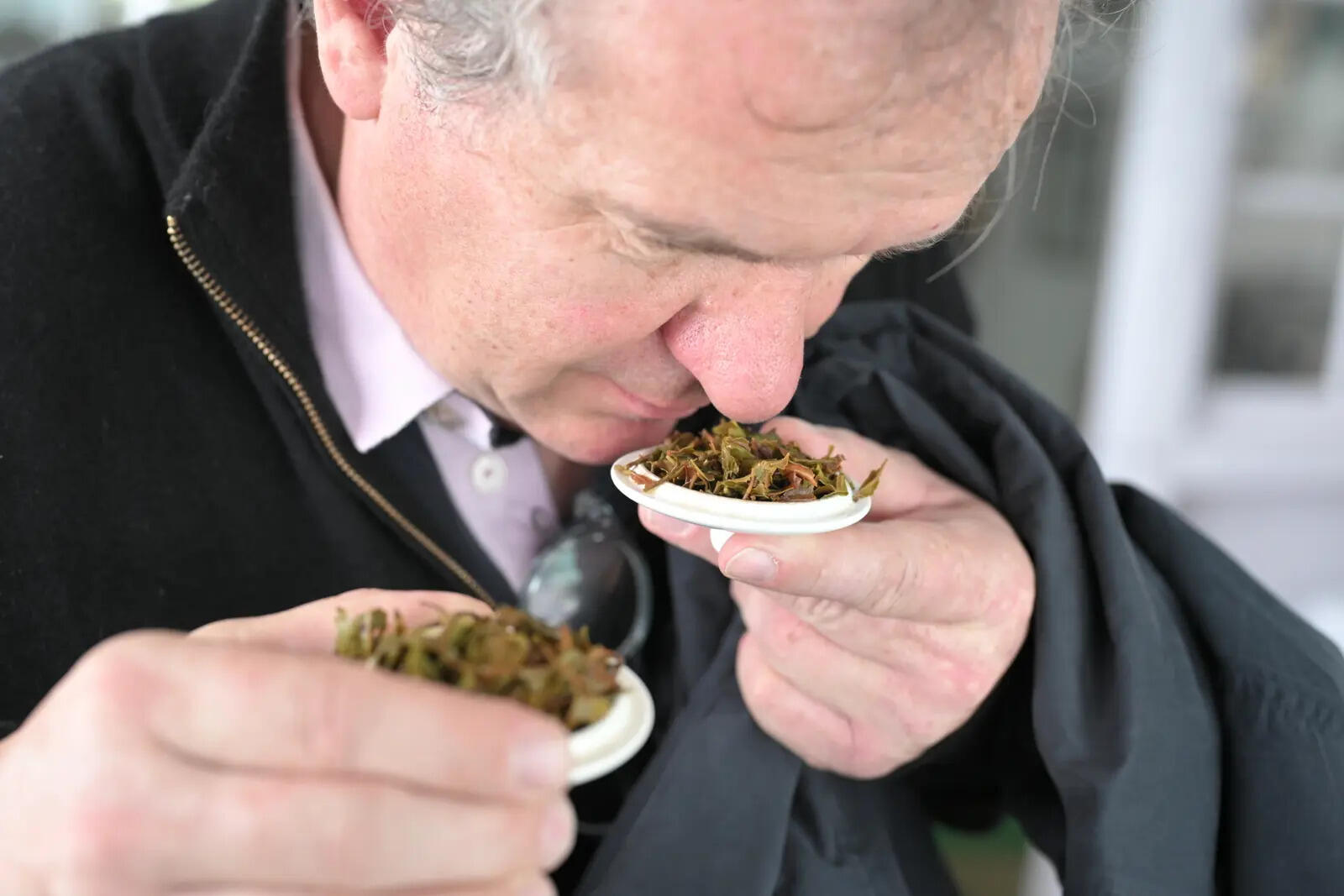
The Vision: From 20 Years Ago to the FTA The visit was the culmination of a two-decade-long personal interest for Director General Charles Goemaere. Reflecting on the journey, Goemaere said: “I was inspired to explore Darjeeling’s famed tea estates when I welcomed a group of Darjeeling producers in Champagne 20 years back.
In the backdrop of the FTA with the EU, when I found an opportunity to do something, I decided to revisit my original idea of sharing knowledge and expertise and find ways to take the Darjeeling tea and Champagne story forward.
”
A Historic Declaration for the Future The meeting centered on protecting the “identity and legacy” of these two globally celebrated Geographical Indications (GIs). David described the declaration as historic, noting it was drafted with an eye on a future where both the DTA and the CIVC could explore mutual knowledge sharing.
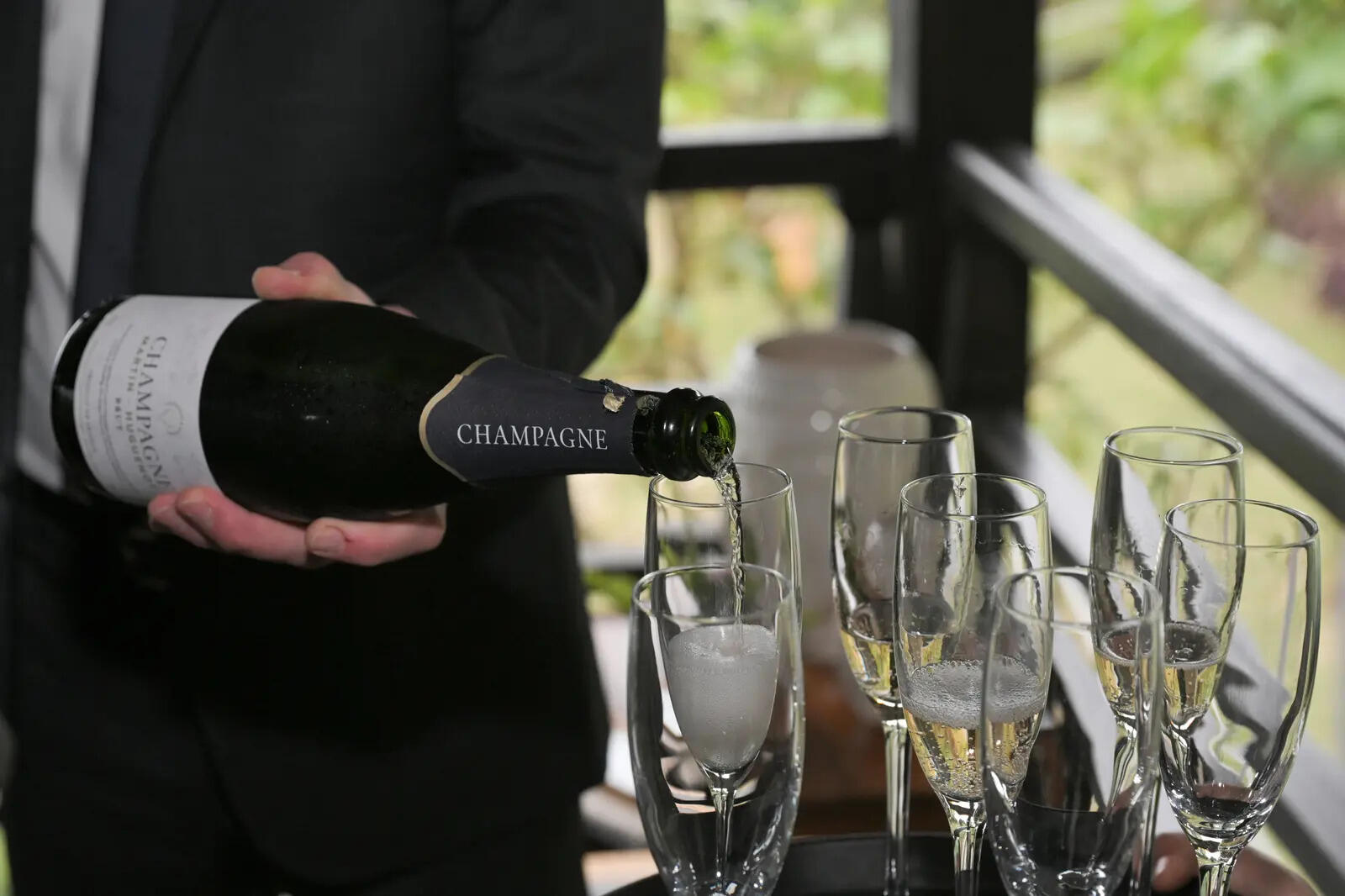
Maxime highlighted the structural success of the French model, observing how the CIVC has brought growers, owners and other stakeholders together for a singular purpose. He noted that a similar unified front could help “protect the ecosystem of Darjeeling tea, and preserve and perfect its legacy.”
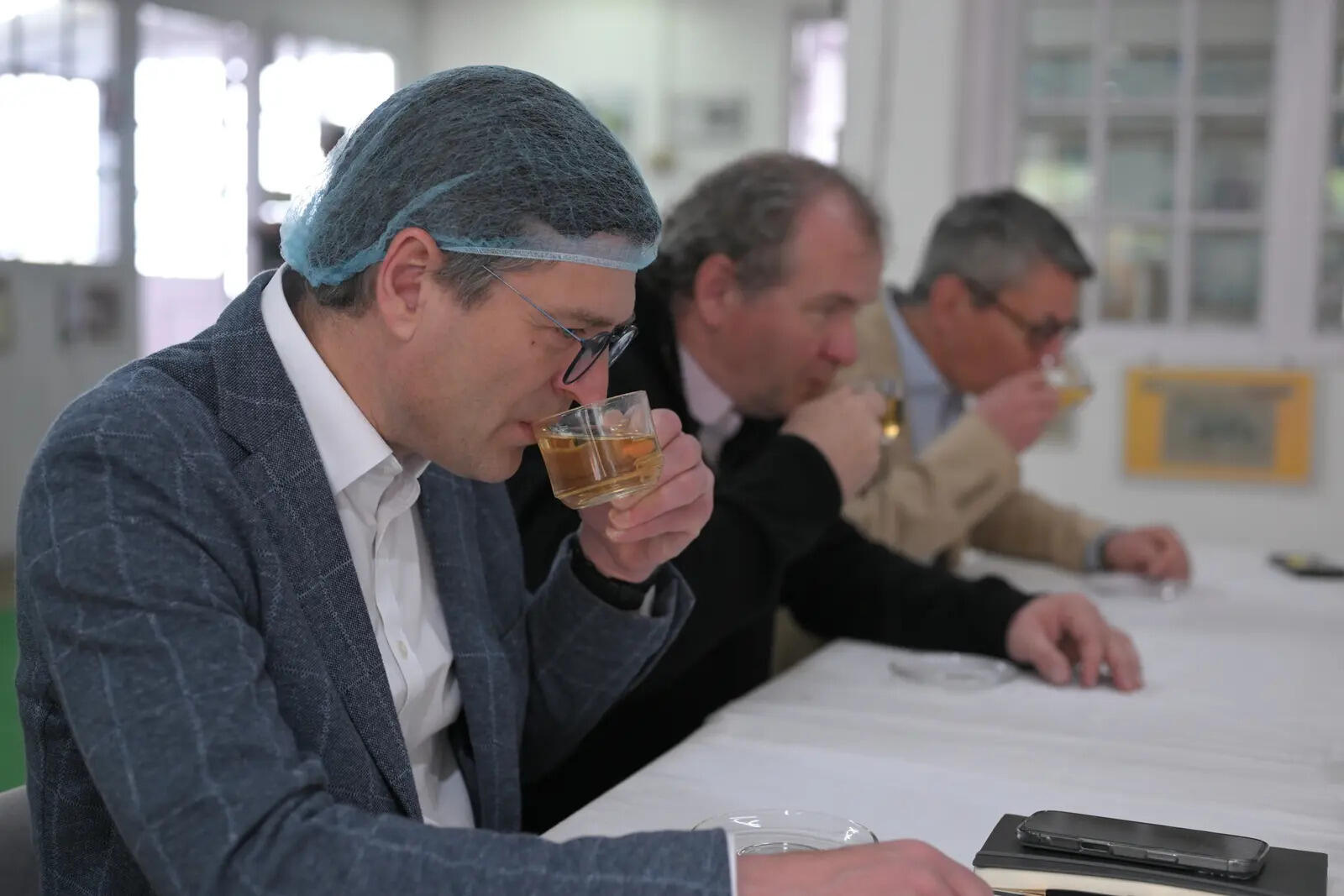
The Role of the Connoisseur The dialogue concluded by emphasising the future of tea in the global luxury market. Singhal noted that “the hospitality industry especially would play an important role in creating awareness about the potential of Darjeeling tea as a luxury and connoisseur’s choice – like Champagne around the world.”
Lohia noted that as the youngest member in the industry, he was keen to find common ground for tea growers to navigate what he called a challenging phase for the industry.
“The use of smart technology and creating products and experiences to cater to an increasingly discerning audience is the need of the hour,” he said.
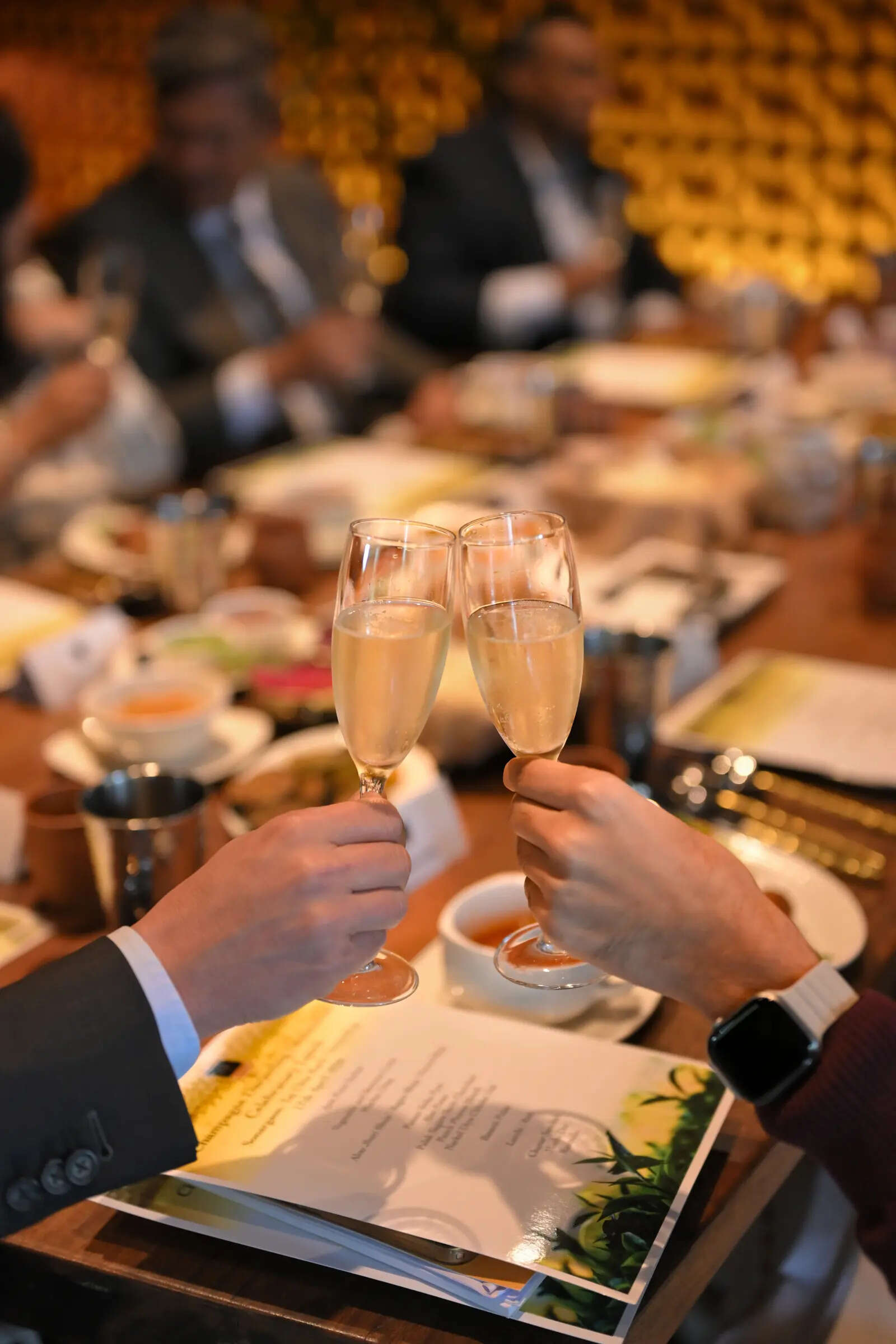
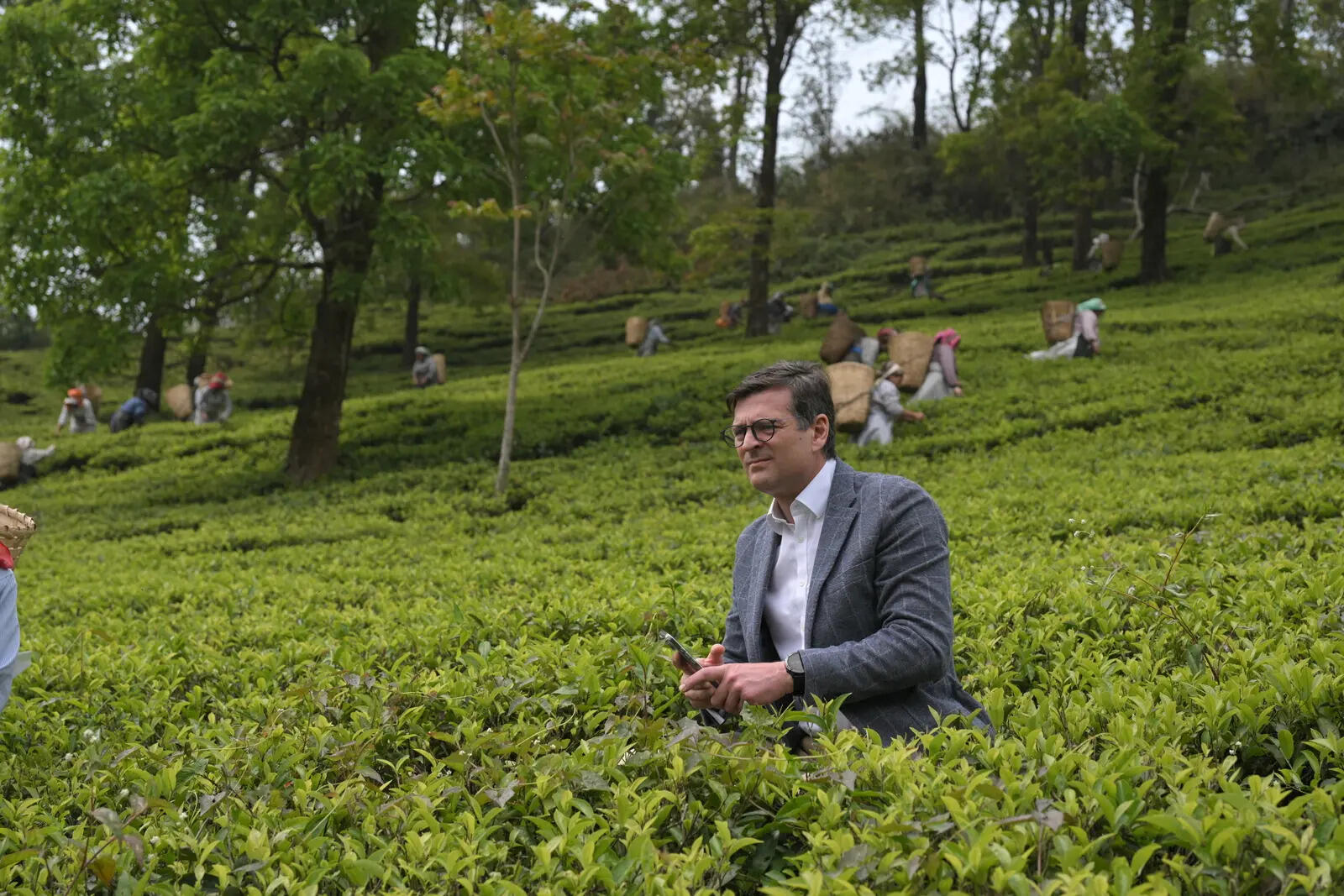
In a press release the Comite Champagne said: Champagne and Darjeeling embody excellence and share the same standard: that of an inseparable link between a product, territory and craftsmanship—values strongly advocated in the new trade frameworkThe French delegation spent considerable time exploring the Makaibari Tea Factory and tea gardens.
Established in 1859, it is the world’s first tea factory and remains a marvel of industrial archaeology. Now in its 167th year, the structure is a rare architectural gem built entirely from wood, bamboo, and cast iron, eschewing the concrete typical of later industrial sites to remain in harmony with its high-altitude environment.
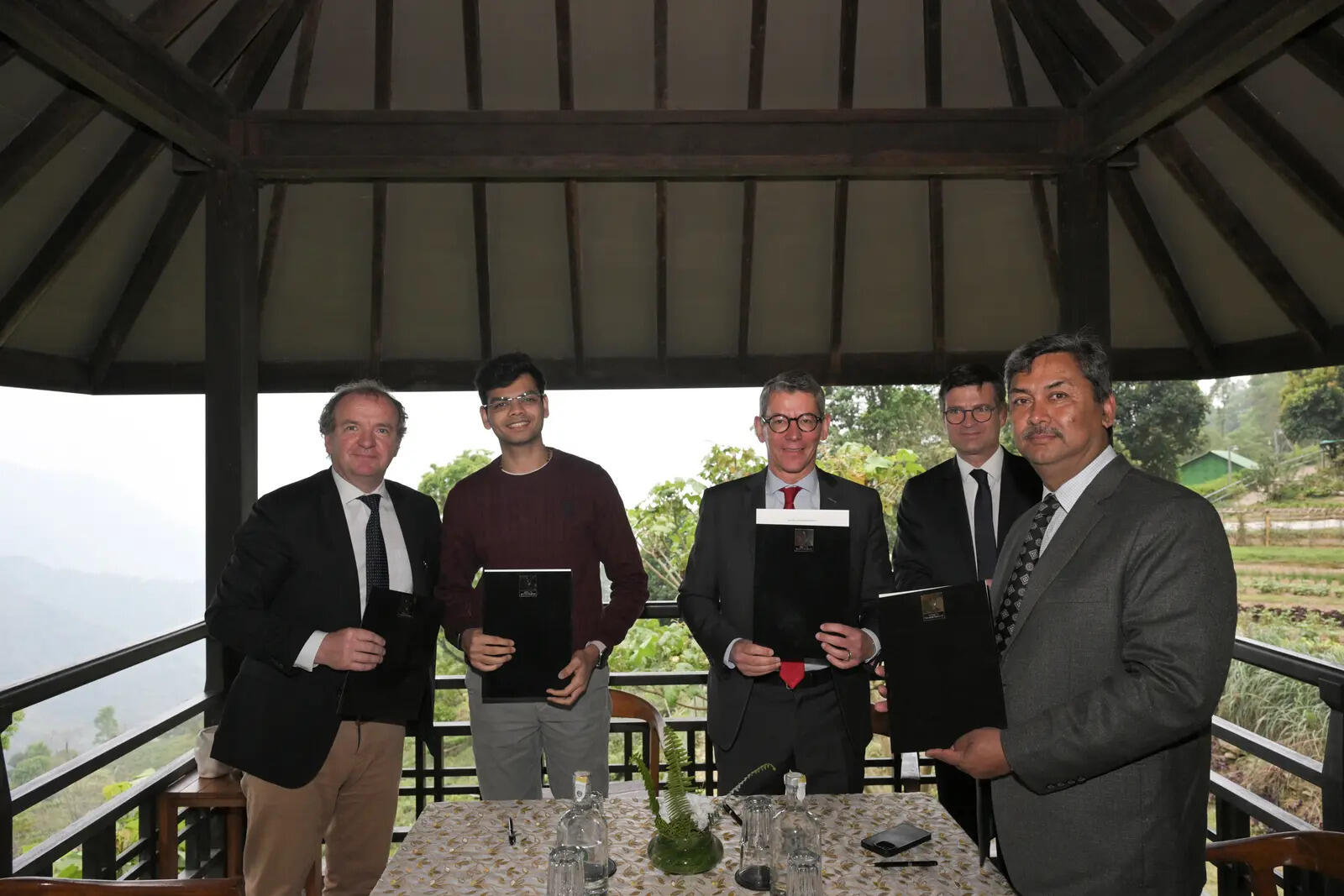
The CIVC members were given a tour of the craft-driven methodology that has remained largely unchanged for over a century. Many of its original cast-iron machines are still in active use today, meticulously maintained to process the estate’s world-famous biodynamic leaves.