
- News
- Real Estate News
- Why traditional Indian homes were naturally cooler and what modern designs can learn from them
TIMESOFINDIA.COM / Apr 18, 2026, 14:00 IST
AA
Text Size
- Small
- Medium
- Large
1/6
Why traditional Indian homes were naturally cooler and what modern designs can learn from them
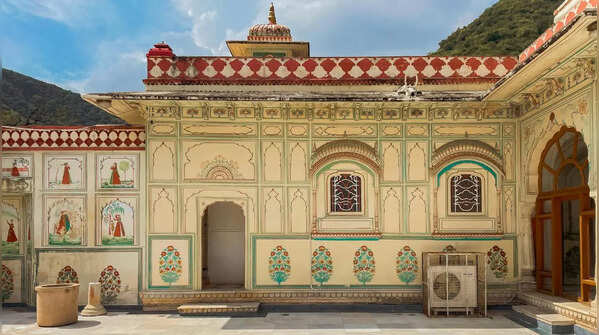
Indian traditional houses were constructed with a deep understanding of climate, materials, and lifestyle. Before air conditioners became widespread, buildings themselves functioned as passive cooling systems. In all places across the country, be it arid deserts or coastal areas, homes were designed to reduce heat and enhance comfort naturally. Today, as cities grow hotter, these time-tested ideas offer valuable lessons for modern real estate and architecture.
2/6
Climate-responsive orientation and layout
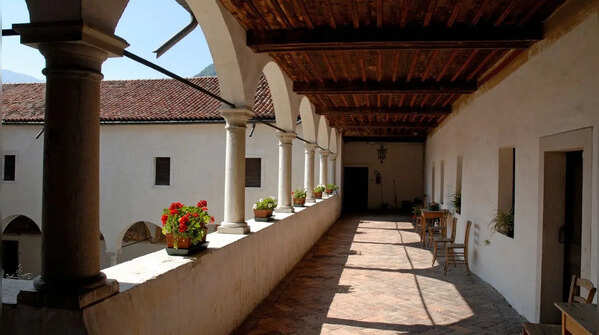
Traditional homes were carefully oriented based on the sun’s path and prevailing winds. Openings were positioned to allow cross-ventilation while harsh sunlight was minimised through strategic placement of walls and shaded areas. This ensured interiors remained cooler throughout the day reducing heat buildup without relying on mechanical cooling systems.
3/6
Use of natural and local materials
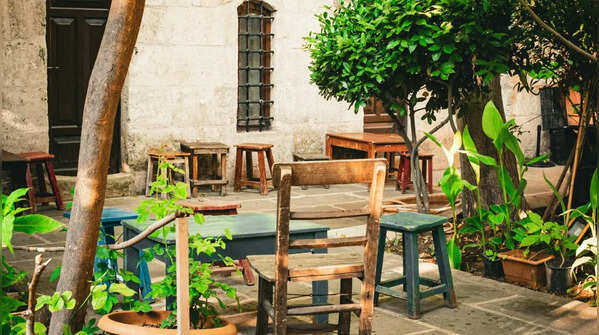
Natural materials such as mud, stones, lime and clay roof tiles were widely used due to their insulating nature. The thick walls acted as a barrier slowing down the heat transfer process and maintaining cooler interiors during the day and releasing stored heat slowly at night, keeping temperatures relatively stable. The locally available materials adapted to the area’s climate, making them energy-efficient.
4/6
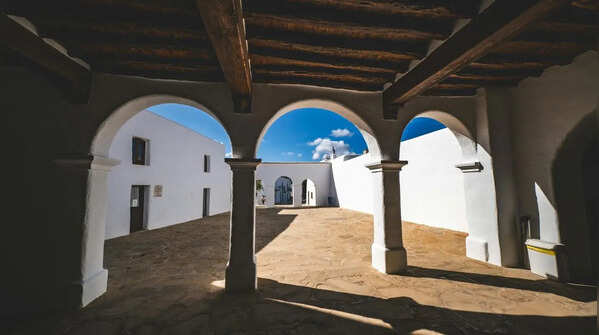
Courtyards as natural cooling systems
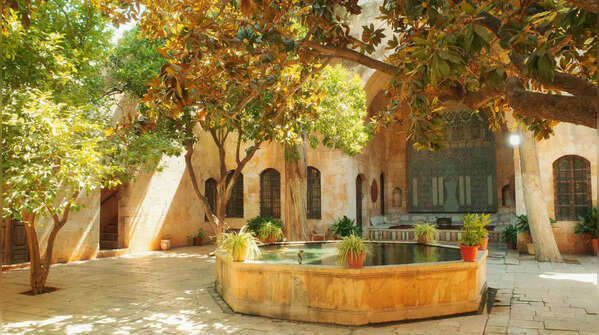
A courtyard was one of the prominent features of the houses. It facilitated the upward movement of hot air while bringing in cool air from adjacent shaded locations. Sometimes coupled with vegetation and water bodies, the courtyard functioned as a natural cooling system for the houses.
5/6
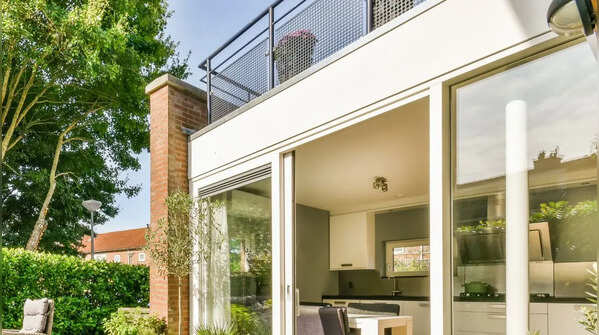
Shaded elements and passive cooling features
Elements like verandahs, jalis (perforated screens) and sloping roofs helped block direct sunlight and reduce heat gain. These features filtered light, created shade and allowed air to circulate freely. Such passive cooling techniques significantly improved thermal comfort while maintaining aesthetic and cultural identity.
6/6
What modern designs can learn
Modern architecture can benefit greatly by reintroducing these passive design strategies. Prioritising ventilation, using climate-appropriate materials, and integrating shaded spaces can reduce dependence on air conditioning. By blending traditional wisdom with contemporary needs, real estate developments can become more sustainable, energy-efficient, and comfortable for future living.
Traditional Indian houses demonstrate that comfort does not always require complex technology; it can be achieved through proper design instead. In light of increasing heat levels and energy problems in cities, it is time to adopt these concepts to create smarter and greener buildings.
All Image Credits: Canva
Follow Us On Social Media