

Your surroundings significantly impact focus and productivity, often contributing to procrastination more than a lack of willpower. Chaotic or poorly lit spaces drain mental energy, hindering task completion.
Have you ever found yourself distracted from a looming deadline by small dust bunnies that have accumulated under your desk or by an increasing stack of mail in one corner of your room? Many people can relate to this problem.
We always think that we lack willpower and self-control. However, modern psychology has another theory to offer.Our surroundings are very influential when it comes to how we make decisions and behave. They send out signals that might motivate you to take action or put up silent barriers that prevent you from completing certain tasks. A chaotic workspace where everything is disorganised and poorly lit will not only affect your mood but will also fight for your attention.How a room influences your to-do listProcrastination is heavily influenced by our immediate surroundings. This is a continuous struggle between our present state of mind and the future result we hope to achieve. As stated in a study on Building and Environment, the interior environment affects cognition significantly. In other words, when your room does not meet the necessary criteria, your focus is compromised, resulting in you browsing through your Instagram feed instead of drafting your presentation.
In the case that a room is stuffy or poorly lit, the brain will have to do some extra work to concentrate. The additional brain activity consumes energy, which could otherwise be used to do difficult tasks. It is not just aesthetics but rather an underlying biological principle. If there is proper ventilation and lighting in a room, the brain receives an implicit signal to remain alert. On the contrary, a cramped, dark room can lead to tiredness even before starting to type.
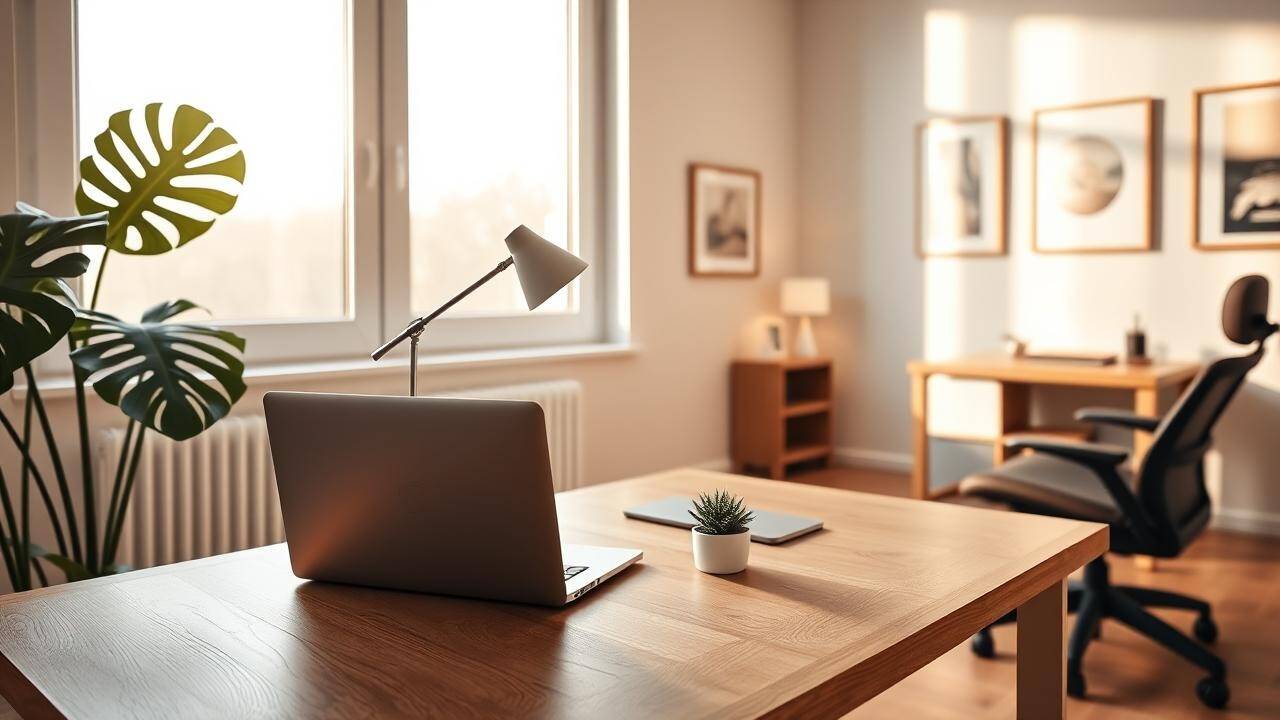
Simple adjustments like designating zones, controlling sensory input, adding greenery, and maintaining comfortable temperatures can create an environment conducive to clarity and flow, transforming daunting tasks into manageable challenges.
Beyond the physical comfort, the “vibe” or climate of a space matters immensely. Much of what we know about productive environments comes from the world of education. For instance, the research titled The role of the college classroom climate on academic procrastination explores how a “classroom climate” influences a student’s drive. This study found that when an environment feels organised and supportive, people feel more capable of handling their responsibilities.However, when your work area combines formality with engagement, you become more aware of your upcoming tasks. For example, if your desk is cluttered with crumpled sheets of paper from the night before and various documents strewn across its surface, you might wonder whether to relax, pamper yourself, or get down to business. In most cases, people do nothing.Strategies to increase focus through small adjustmentsYou don’t have to renovate your entire house to enhance your ability to concentrate. Instead, combat your procrastination through some minor but strategic modifications in your surroundings. Such small actions lower the barriers that you must overcome when beginning your work. Indeed, does it make sense to spend ten minutes organising your working space for the computer or getting things done?
- Specify your zones: Isolate relaxation zones from working zones. Utilise a particular chair or light only when you have work-related tasks to be performed as a signal for your mind to concentrate.
- Watch your sensory stimuli: Control the noise; some enjoy background noise, but loud noises will distract your attention. Use soft carpets and curtains to cut down the echoing and prevent distraction.
- The Power of Greenery: Adding a simple houseplant or ensuring you can see a bit of the outdoors can improve what researchers call “situational interest.” It keeps the mind refreshed without being a distraction.
- Temperature Control: Being too cold or too hot is a subtle but powerful physical stressor. Finding a comfortable middle ground ensures your body isn’t using energy to regulate its temperature that could be used for problem-solving.
Our home reflects our inner world, and vice versa. If the environment is conducive to clarity and flow, it becomes an incredibly effective means of overcoming procrastination. An environment that works for us transforms an intimidating mountain of work into a mere hill rather than a challenge we cannot overcome. To be slightly organised does not mean having an orderly desk; it means making time to do something else.