
- News
- Your Omega-3 supplement may not be working: The right way to take it for real Benefits
Aadya Jha / ETimes.in / Apr 21, 2026, 15:41 IST
AA
Text Size
- Small
- Medium
- Large

1/7
How to make your Omega-3 supplement actually work
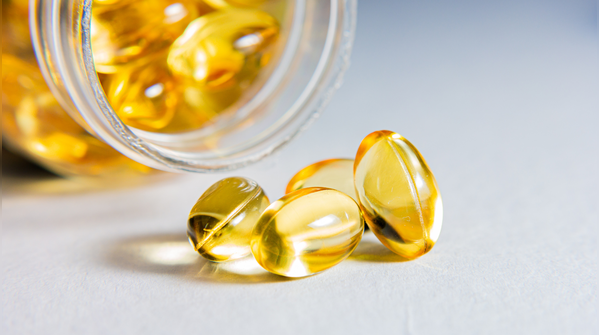
Walk into any pharmacy and omega-3 capsules are hard to miss. They promise better heart health, sharper thinking, and calmer inflammation. But the real benefit depends less on whether they are taken and more on how they are taken. Dose, timing, and even the meal on the plate can change how the body uses these fats. Done right, omega-3s can quietly support long-term health. Done casually, they often pass through with little impact.
2/7
Who actually needs omega-3 supplements?
Not everyone needs a pill. In fact, food still does the heavy lifting. But there are clear groups where supplements make sense.
Dr Shovana Veshnavi explains, “Omega-3 fatty acids, mainly EPA and DHA, are very important for keeping the heart, brain, and inflammation in check.”
She points out that supplements are often useful for:
People with heart disease or high triglycerides
Those dealing with chronic inflammatory conditions like arthritis
Pregnant and breastfeeding women, where fetal brain development is key
People who rarely eat fish
Some individuals managing depression as an add-on therapy
For others, routine use is still debated.

3/7
Timing matters more than most people realise
Many people take supplements on an empty stomach and move on. That may be the biggest mistake.
Dr Veshnavi says, “When taking omega-3 supplements, it’s best to do so with meals that have fat in them.”
These fats are lipophilic, which means they need dietary fat to be absorbed properly. Without it, much of the dose goes unused.
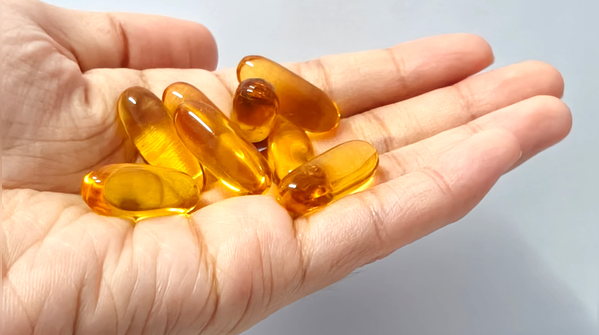
Taking the capsule with breakfast or the main meal often works best. It also reduces the chance of nausea or that lingering fishy taste. For higher doses, splitting it into two smaller servings across the day can make it easier on the stomach.
4/7
Absorption: the difference between average and effective
Two people can take the same supplement and get very different results. The difference often comes down to absorption.
Dr Veshnavi highlights a few simple but critical points:
Pair the supplement with a meal that contains at least 10-15 grams of fat
Choose triglyceride or re-esterified forms, which the body absorbs better
Avoid taking it alongside very high-fibre meals or fat-blocking agents
Quality also matters more than most labels reveal. Look for products that mention purification methods like molecular distillation and low oxidation levels.
A technical review published in Science Direct explains how different formulations affect bioavailability.

5/7
The real benefits, and where expectations go wrong
Omega-3s are not magic pills, but their effects are well studied.
They can:
Lower triglyceride levels significantly
Support heart rhythm and vascular health
Help manage inflammation over time
Play a role in brain development and function
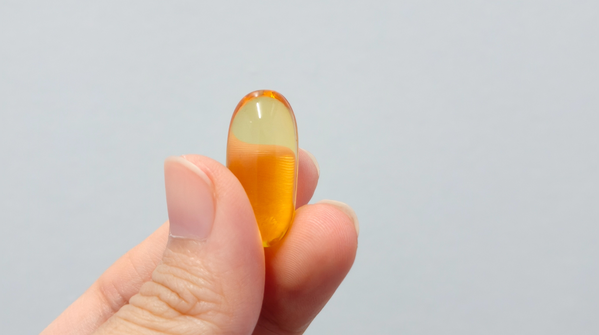
However, they do not replace a balanced diet or undo poor habits. As nutrition science often shows, isolated nutrients work best when they support an already healthy lifestyle.
6/7
Safety and the small details that matter
Even good nutrients can cause trouble when used carelessly.
Dr Veshnavi cautions, “Watch patients who are taking anticoagulants closely because they could bleed if they take too much (>3 g/day).”
Other practical tips include:
Refrigerated or enteric-coated capsules can reduce aftertaste
High doses should follow medical advice, especially for triglyceride control
Typical therapeutic ranges for certain conditions may go up to 2-4 grams per day
In simple terms, omega-3s are safest and most useful when taken with intent, not guesswork.

7/7
Disclaimer
This article is for informational purposes only and does not substitute professional medical advice. Always consult a qualified healthcare provider before starting any supplement, especially if there are existing health conditions or ongoing medications.
Follow Us On Social Media